
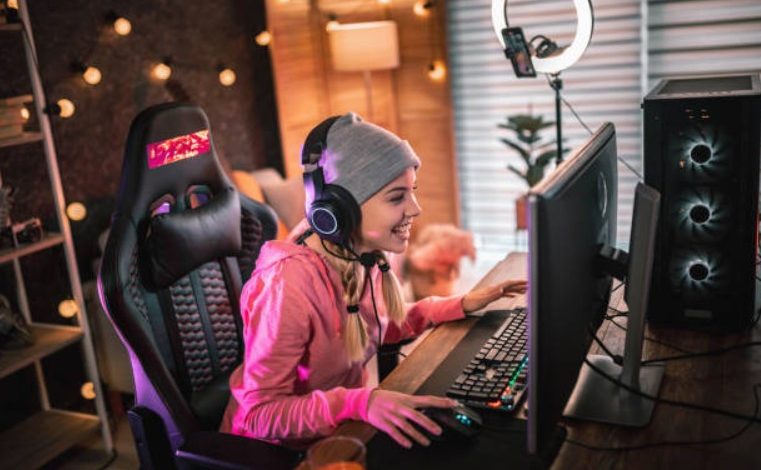
Many people spend long hours playing online games without thinking about why it feels so natural. As you know, small triggers keep the mind busy and make each session feel fresh. However, most players miss the simple cues that push them to hit play again.
In this article, we break down how the mind reacts during a sbobet game or any other online game. These reactions shape habits fast. Also, clear goals, short wins, and social ties keep players in the loop. Each part of the experience connects to basic human behavior. Once you see how these triggers work, you can understand why some games feel hard to put down.
What Makes Players Keep Coming Back
Players return because simple triggers hit the brain again and again. As you know, these triggers feel small but push steady action. However, most people don’t notice how fast these loops form.
Variable Rewards
When results change each time, the mind stays alert. A scbet88.com game uses this well by giving wins at random times. This keeps players curious and ready for one more try. Also, shifting outcomes stop the play from feeling flat.
Short Wins
Quick wins feel good and build confidence. These small boosts create a steady habit. Players feel progress even in short sessions, so they return for another round.
Loss Aversion
People hate losing more than they enjoy winning. This makes players act fast when they think they might miss items or events. Timed challenges push them back into the game before the chance expires.
How Game Design Uses Basic Human Behavior
Game design taps into simple human reactions. As you know, people stay longer when the experience feels clear and steady. However, most players don’t notice how these small elements guide every move.
Clear Goals
Players like targets they can hit without stress. Clear goals cut confusion and help people stay focused. Also, simple rules reduce frustration and make each step feel direct.
Progress Bars and Levels
Progress bars and levels give visual proof of growth. The mind reacts well to this. Players see movement, so they stay active. This steady climb keeps sessions short but frequent.
Social Features
Chats, teams, and leaderboards push people to stay involved. Playing with others builds a light sense of duty. Also, friendly pressure keeps players from dropping out. These features turn a quick session into something longer.
Conclusion
Online games keep people hooked because the mind reacts to simple cues. As you know, short wins, clear goals, and social ties shape fast habits. However, most players rarely notice these patterns while playing.
Once you understand these triggers, the behavior starts to make sense. Also, knowing how these systems work helps you stay in control of your playtime. The key idea is simple: games use basic human reactions to keep you active. When you see these cues for what they are, you can enjoy the experience without losing balance.
If you want, I can tighten the full article, add SEO headers, or prepare a final publish-ready version.
